
Hair thinning can feel gradual at first, then suddenly impossible to ignore. You may notice more hair in the shower, less fullness around the hairline, widening at the part, or a ponytail that feels thinner than it used to. For many people, thinning hair is not just a cosmetic issue. It affects confidence, styling choices, and the way they feel day to day. The good news is that early action can make a meaningful difference.
At RenewMD Health and Wellness, PRP hair restoration is one of the treatment options for patients who want to address thinning hair in a more natural, medically guided way. If you are starting to notice hair loss, learning more about PRP hair restoration at RenewMD Health and Wellness is a smart next step. This guide explains how PRP hair restoration works, who may be a good candidate, what results to expect, and why timing matters when you want to stop thinning hair before it progresses further.
What is PRP hair restoration?
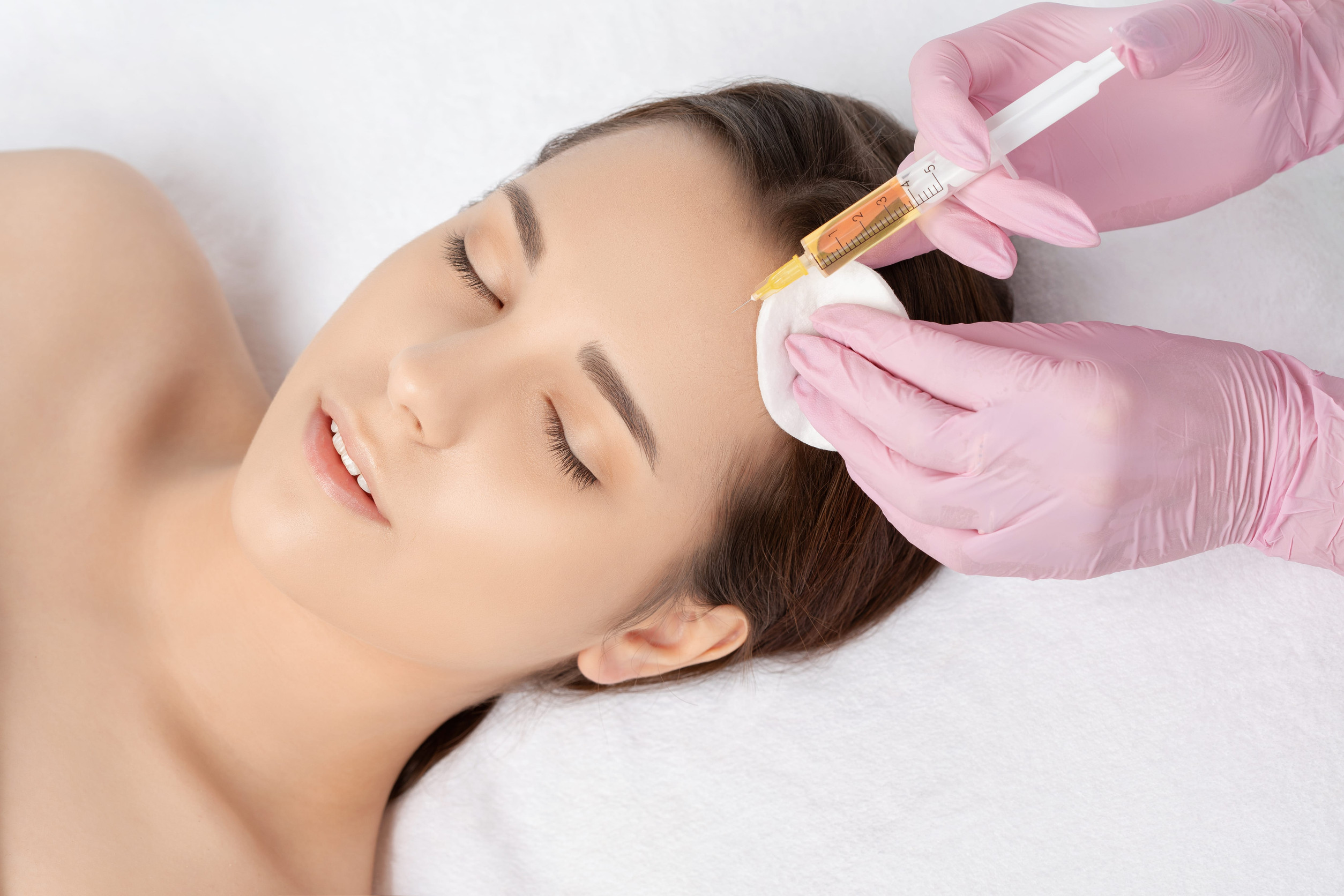
PRP hair restoration is a treatment that uses platelet-rich plasma, often called PRP, to support the scalp and encourage healthier hair growth. PRP is created from a small sample of your own blood. That blood is processed so the platelet-rich portion can be isolated and then used as part of the treatment.
Platelets contain growth factors that are involved in healing and tissue support. In hair restoration, the goal is to use those growth factors to help stimulate the scalp environment and support hair follicles that may be weakened, shrinking, or producing thinner strands over time.
This is one reason PRP has become popular with patients who want a non-surgical, regenerative approach to thinning hair. Instead of relying only on a one-size-fits-all product, PRP uses components from your own body as part of the treatment plan.
At RenewMD Health and Wellness, the hair restoration service also references PRP with AnteAGE Hair Restoration Serum, which supports the practice’s focus on medically guided treatment for patients concerned about hair thinning and hair loss. If you want to explore your options, reviewing the hair restoration service page can help you understand how the practice approaches this concern.
How does PRP hair restoration work?
PRP hair restoration starts with a blood draw. Once the sample is collected, it is processed to concentrate the platelet-rich portion. That PRP is then placed into targeted areas of the scalp where thinning hair is present.
The basic idea is that the concentrated platelets may help support the hair follicle environment through growth factors and regenerative signaling. In practical terms, patients choose PRP because they want to encourage stronger, healthier-looking growth in areas that are thinning but not yet completely inactive.
The treatment process usually includes:
- A consultation and scalp assessment
- A blood draw
- Processing the sample to isolate platelet-rich plasma
- Targeted placement of PRP into thinning areas of the scalp
- Follow-up sessions based on the treatment plan
The reason timing matters is simple. PRP tends to be most appealing when hair follicles are still present but underperforming. If thinning is caught earlier, there may be more opportunity to support those follicles before loss becomes more advanced.
That is why many providers encourage patients not to wait until thinning becomes severe. A patient who acts when they first see widening at the part, early recession, or diffuse thinning often has more treatment options than someone who waits years.
Why do people choose PRP for thinning hair?
Patients explore PRP hair restoration for several reasons. Some want a treatment that feels more natural because it uses their own blood-derived growth factors. Others want a non-surgical option that fits into a broader hair wellness plan. Many simply want to take action before thinning gets worse.
Common reasons patients choose PRP include:
- Early hair thinning
- A widening part
- Hairline recession
- Diffuse shedding
- Decreased hair density
- Interest in non-surgical treatment
- Desire for a more natural-looking approach
- Support for stronger, healthier-looking hair
One of the biggest emotional drivers is momentum. Hair loss often creates anxiety because patients feel like they are falling behind the problem. Once they start seeing more scalp, reduced fullness, or thinner styling results, they want to do something proactive.
PRP appeals to many of these patients because it feels medically grounded, regenerative, and targeted. It can also fit well for people who are not ready for more invasive procedures and want a treatment plan that supports scalp health and hair density in a gradual way.
What types of hair loss may respond to PRP?
Not all hair loss is the same, and this is one of the most important things patients need to understand. Hair thinning can happen for many reasons, including genetics, hormones, stress, illness, nutritional issues, aging, medications, and scalp conditions.
PRP is usually discussed most often for patients experiencing thinning hair, especially when follicles are still active but producing weaker, finer, or less dense hair than before.
Situations where PRP may be considered include:
- Early thinning at the crown
- A widening part
- Diffuse thinning throughout the scalp
- Mild to moderate recession
- Hair that seems less dense than it used to be
- Hair loss patterns linked to androgenic thinning
Situations where a deeper evaluation may be needed include:
- Sudden severe shedding
- Bald patches
- Hair loss with scalp irritation or inflammation
- Hair loss after illness or major stress
- Hormone-related symptoms
- Nutritional deficiency concerns
This is why a consultation matters. PRP should not be treated like a random beauty treatment for every kind of hair loss. The best approach is to assess the likely cause of thinning and determine whether PRP makes sense as a standalone option or part of a broader plan.
Patients dealing with symptoms that may be tied to hormone changes may also want to review hormone replacement therapy options if low energy, weight changes, or hormone imbalance are part of the bigger picture.
Is PRP hair restoration natural-looking?
Yes, and this is one of the strongest reasons patients are drawn to it. PRP hair restoration does not aim to create an artificial or abrupt change. The goal is to support your existing follicles and encourage healthier, fuller-looking hair over time.
A natural-looking result usually means:
- Hair appears thicker rather than dramatically different overnight
- Density improves gradually
- The scalp shows less through the hair
- Styling becomes easier
- Hair quality looks healthier
- Results fit your age and pattern of thinning
For many patients, the best outcome is not that someone notices a treatment. It is that they notice your hair looks fuller, healthier, or more youthful without knowing exactly why.
That gradual progression is often a major advantage. PRP tends to appeal to people who want improvement that feels believable and consistent with their natural appearance.
How soon should you start PRP if your hair is thinning?
Sooner is usually better. That does not mean panicking at the first extra strand in the brush, but it does mean paying attention. Hair restoration works best when there are still viable follicles to support. The earlier thinning is identified and addressed, the more options patients often have.
Signs it may be time to get evaluated:
- You can see more scalp in bright light
- Your part looks wider than it used to
- Your hairline appears to be changing
- Your hair feels flatter or less dense
- You are shedding more than normal for an extended period
- Styling no longer gives the same fullness
Many patients wait too long because they hope the issue will reverse on its own. In some cases, thinning continues slowly in the background. By the time the loss feels obvious, more follicles may already be affected.
That is why “stop thinning hair today” is not just a catchy phrase. It reflects a practical truth. Early attention gives you a better chance to support the hair you still have.
What happens during a PRP hair restoration appointment?
Patients often feel less nervous once they understand the treatment process. PRP hair restoration is usually straightforward, but it is still a medical treatment that should be handled thoughtfully and in a professional setting.
A typical session may include:
1. Consultation and scalp assessment
Your provider reviews your concerns, pattern of hair thinning, health history, and treatment goals. This is where you discuss whether PRP is likely to be a good fit.
2. Blood draw
A small amount of blood is drawn, similar to a routine lab appointment.
3. PRP preparation
The blood sample is processed so the platelet-rich portion can be isolated.
4. Scalp treatment
The PRP is placed into targeted areas of the scalp where support is needed most.
5. Aftercare and follow-up
You receive guidance on what to expect after treatment and how many sessions may be recommended.
Patients often appreciate that the treatment uses their own blood product and can usually be completed in an office setting without surgery.
Does PRP hair restoration hurt?
Comfort varies by patient, but most people want to know this before they book. The treatment involves both a blood draw and scalp injections or placement into targeted areas, so some level of discomfort is possible. However, many patients still find the procedure manageable, especially when they understand the process and know what it is designed to accomplish.
How it feels may depend on:
- Your pain tolerance
- The sensitivity of your scalp
- The extent of the treatment area
- Whether numbing or comfort measures are used
- Your level of anxiety before treatment
Many patients describe the discomfort as brief and tolerable. The appointment is usually worth it to them because the goal is long-term hair support rather than a temporary surface-level cosmetic effect.
How many PRP sessions do you need for hair restoration?
This depends on the patient, the degree of thinning, the cause of hair loss, and how the scalp responds. PRP hair restoration is often approached as a series rather than a one-time session.
Factors that influence treatment count include:
- Severity of thinning
- How long the hair loss has been happening
- Whether the pattern is diffuse or localized
- Underlying cause of the thinning
- Your age and health history
- Whether PRP is being combined with other therapies
Patients should think in terms of a treatment plan rather than expecting one session to solve everything. Hair restoration usually works best when there is a clear strategy that includes an initial series and then maintenance if appropriate.
This is important for expectations. PRP is not meant to be a miracle fix after a single visit. It is a supportive treatment designed to help the scalp and follicles over time.
When will you see results from PRP hair restoration?
Hair growth takes time, so patience matters. This is one of the biggest mindset shifts patients need to make. Unlike some aesthetic treatments that show visible change quickly, hair restoration unfolds gradually.
What patients may notice over time:
- Less shedding
- Improved hair texture
- Stronger strands
- Better fullness when styling
- Reduced scalp visibility
- Gradual increase in density
Because hair growth cycles take time, results are usually assessed over a period of months rather than days or weeks. This is one reason treatment consistency and follow-up matter. Patients who understand the timeline tend to feel more satisfied because they know what realistic progress looks like.
PRP is best viewed as a gradual support treatment, not an overnight transformation.
What makes someone a good candidate for PRP hair restoration?
A good candidate is usually someone with thinning hair who wants to take action before loss becomes too advanced. The ideal patient often still has follicles present but wants to support stronger growth and improve overall density.
You may be a good candidate if you:
- Notice early to moderate thinning
- Still have active hair growth in the area of concern
- Want a non-surgical treatment option
- Prefer a more natural regenerative approach
- Are willing to commit to a treatment plan
- Have realistic expectations about timing and results
PRP may be especially appealing for:
- Men with early recession or crown thinning
- Women with diffuse thinning or widening at the part
- Patients wanting to support hair density before loss worsens
- People looking for a medically guided option that fits into a broader wellness plan
The best candidates are often proactive. They are not waiting until the issue becomes severe. They are responding to thinning while there is still hair worth protecting and supporting.
Who may need a different approach or more evaluation first?
PRP is not the right answer for every patient with hair loss. Some people need more diagnostic evaluation before deciding on treatment. Others may need a combined plan based on the reason for the thinning.
More evaluation may be needed if you have:
- Sudden dramatic hair loss
- Bald patches
- Active scalp irritation
- Hair loss after illness
- Symptoms of thyroid imbalance
- Hormonal symptoms
- Nutritional concerns
- Medication-related shedding
Hair loss can be a sign of a broader issue. That is why medically guided care matters. If thinning is connected to hormone shifts, metabolic changes, or other systemic concerns, those should be addressed too.
For some patients, a broader wellness assessment through concierge primary care and wellness care may help identify factors contributing to hair thinning. The best treatment plan often starts with understanding the cause, not just reacting to the symptom.
Can PRP be combined with other hair restoration strategies?
Yes, and in many cases that is one of its strengths. PRP can fit into a larger hair restoration plan rather than standing alone. Depending on the patient, a provider may recommend combining regenerative treatment with supportive hair products, scalp care, medical evaluation, or broader wellness strategies.
At RenewMD Health and Wellness, the hair restoration service references PRP combined with AnteAGE Hair Restoration Serum, which shows that the practice already approaches treatment as more than just one isolated step. Patients who want to learn more can review hair restoration treatments at RenewMD Health and Wellness as part of building a personalized plan.
Combination strategies matter because hair thinning is often multifactorial. The better the plan matches the cause and pattern of loss, the better the treatment experience tends to be.
What are the biggest benefits of PRP hair restoration?
Patients considering PRP usually want to know why they should choose it over doing nothing or waiting longer. The answer often comes down to timing, natural-looking results, and the ability to support thinning hair in a medically guided way.
Key benefits may include:
- Non-surgical treatment
- Use of your own blood-derived growth factors
- Support for thinning hair before it worsens
- Gradual, natural-looking improvement
- Better hair density and quality over time
- A personalized treatment plan
- Minimal disruption compared with surgery
Another major advantage is psychological. Many patients feel better simply by taking action. Hair thinning often creates stress because it feels passive and progressive. Starting treatment can restore a sense of control.
Common mistakes people make when trying to treat thinning hair
Many patients lose time by making the same avoidable mistakes. Knowing what not to do can be just as important as knowing which treatment to choose.
Common mistakes include:
- Waiting too long to get evaluated
- Assuming all hair loss is the same
- Buying random products without a diagnosis
- Expecting instant results
- Stopping treatment too early
- Ignoring possible hormone or health-related causes
- Choosing treatment based only on trends
One of the biggest mistakes is underestimating early thinning. Patients often tell themselves it is “not that bad yet,” even though the change is clearly progressing. Early treatment tends to offer more opportunity than delayed treatment.
Questions to ask before booking PRP hair restoration
A consultation should help you make an informed choice. These questions can help guide the conversation:
- What type of hair thinning do I seem to have?
- Am I a good candidate for PRP?
- How many sessions do you recommend?
- What kind of results are realistic for me?
- How long will it take to see changes?
- Should I combine PRP with other therapies?
- Are there any medical causes of my hair loss we should evaluate?
- What does aftercare look like?
- How do you customize treatment for different hair loss patterns?
- What maintenance plan may be needed after the initial series?
These questions move the conversation beyond hype and toward a personalized treatment decision.
PRP hair restoration at RenewMD Health and Wellness
At RenewMD Health and Wellness, hair restoration is positioned for patients who want a medically guided solution for thinning hair and decreased density. The practice’s approach highlights PRP hair restoration and references AnteAGE Hair Restoration Serum, making it a strong fit for patients who want a non-surgical option that supports healthier-looking hair over time.
This can be especially relevant for patients in Lutz, FL and nearby Florida communities who want a personalized approach instead of guessing through endless over-the-counter products. If your hair has been thinning and you are ready to do something about it, exploring PRP hair restoration treatments is a practical next step.
Patients who suspect there may be a broader health or hormone component to their hair changes may also benefit from learning more about hormone support and wellness care as part of a full-picture approach.
Stop thinning hair today by acting early and choosing the right plan
PRP hair restoration is appealing because it offers a non-surgical, regenerative option for patients who want to support thinning hair before it becomes more advanced. It uses your own platelet-rich plasma, works gradually, and can help improve density, texture, and overall hair quality when the treatment plan is matched to the right patient.
Three takeaways to remember
- PRP hair restoration is best for patients with thinning hair who still have active follicles to support
- Early treatment matters because waiting too long can reduce your options
- The most effective plan is personalized, medically guided, and based on the likely cause of your hair thinning
If you are seeing more scalp, a widening part, or reduced hair density, now is a good time to take action. You can learn more about hair restoration at RenewMD Health and Wellness or contact the RenewMD team to schedule a consultation and find out whether PRP hair restoration is right for you.
